- Home
- Community Blog
- Freestanding Heavy Bag Setup: How to Fill, Anchor & Keep It Stable

Freestanding Heavy Bag Setup: How to Fill, Anchor & Keep It Stable
A standing punching bag is one of the easiest ways to bring boxing training into your home. Unlike a hanging heavy bag, it doesn't require ceiling mounts or permanent installation, making it a great option for garages, apartments, and home gyms.
One common challenge, however, is keeping the bag from sliding or shifting during training. Fortunately, with the right setup, you can significantly improve its stability and enjoy a more realistic workout.
Whether you're new to boxing or upgrading your home gym, here's everything you need to know about setting up your freestanding heavy bag.
Why Does a Standing Punching Bag Move?
Freestanding bags absorb every punch and kick through their weighted base. During fast combinations or powerful strikes, that energy causes the base to rotate or slide across the floor.
A small amount of movement is completely normal. However, if your bag is constantly shifting, it's usually a sign that the base needs more weight or your training surface needs better grip.
| Feature | Water | Sand |
|---|---|---|
| Weight | Moderate | Heavy |
| Stability | Good | Excellent |
| Easy to Fill | ✅ Yes | Moderate |
| Easy to Empty | ✅ Yes | No |
| Best For | Casual workouts | Serious boxing training |
Filling With Water
Water is ideal if you need to move your bag regularly. It's quick to fill, easy to empty, and works well for fitness boxing or lighter training sessions.
The downside is that water weighs less than sand, so the bag is more likely to move during heavy combinations.
Filling With Sand
Sand creates a much heavier base, making it the preferred option for boxers and kickboxers who train consistently.
Although it takes longer to fill, the added stability helps keep the bag in place during more intense workouts.
How to Stop Your Standing Punching Bag From Moving
If your bag still slides after filling the base, these simple adjustments can make a noticeable difference.
| Problem | Solution |
|---|---|
| Bag slides across the floor | Train on rubber gym mats |
| Bag tips during hard punches | Fill the base completely with sand |
| Bag rotates too much | Add weight plates or sandbags around the base |
| Bag still moves | Use a heavy bag anchor |
| Base feels lighter over time | Check and refill the base regularly |
Use Rubber Flooring
Rubber gym flooring provides better traction than hardwood, laminate, or tile floors. It also helps protect your flooring during training.
Add Extra Weight
Weight plates or sandbags placed around the base can improve stability without permanently securing the bag.
Use a Heavy Bag Anchor
For harder training sessions, a heavy bag anchor is one of the most effective ways to reduce movement while maintaining the flexibility of a freestanding setup.
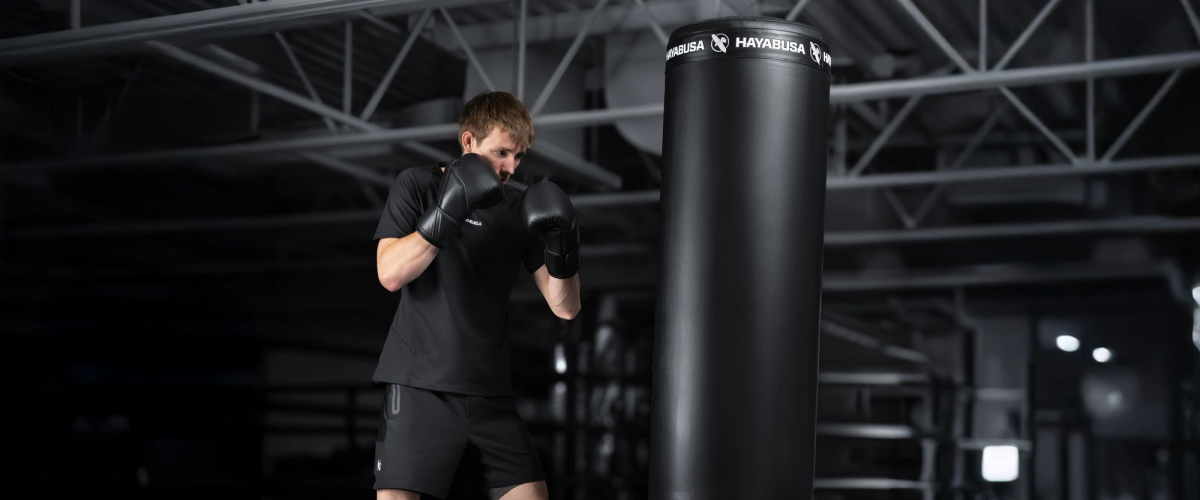
Protect Your Hands During Every Workout
A stable bag is only part of a good training session. Protecting your hands should always come first.
Before every workout, wear quality boxing gloves to absorb impact and improve comfort. Pair them with hand wraps to support your wrists, knuckles, and small hand bones during repeated strikes.
The right equipment allows you to train longer while reducing the risk of injury.
Common Setup Mistakes
Avoid these common mistakes when setting up your freestanding bag:
- Filling the base only halfway
- Training on slippery flooring
- Skipping hand wraps
- Throwing full-power punches before checking stability
- Ignoring loose bolts or hardware
A few extra minutes of preparation can make every workout feel much more consistent.
Standing Punching Bag Setup Checklist. Before your next workout, make sure you've covered these basics:
- ✅ Fill the base completely.
- ✅ Use sand if you want maximum stability.
- ✅ Place the bag on a flat, level surface.
- ✅ Train on rubber gym flooring whenever possible.
- ✅ Wear boxing gloves and hand wraps to protect your hands and wrists.
- ✅ Test the bag with a few light punches before starting a full-power workout.
Following this quick checklist will help keep your standing punching bag stable, improve your training experience, and reduce unnecessary wear on your equipment.
Frequently Asked Questions
Is sand or water better for a standing punching bag?
Sand is generally the better option because it's heavier and provides greater stability. Water is easier to fill and empty but allows more movement during hard training.
Why does my standing punching bag keep sliding?
Most movement is caused by a lightweight base or a slippery floor. Filling the base completely, using rubber flooring, and adding a heavy bag anchor can greatly reduce sliding.
Can I use a freestanding punching bag on hardwood floors?
Yes. However, placing a rubber gym mat underneath the base will improve grip and help protect your flooring.
How often should I check the base?
It's a good idea to inspect the base every few months. Water levels can decrease over time, and sand may settle, reducing stability.
Complete Your Home Boxing Setup
A properly set up standing punching bag can provide years of effective boxing, kickboxing, and fitness training. By filling the base correctly, training on a stable surface, and using a heavy bag anchor when needed, you'll spend less time repositioning your equipment and more time improving your technique.
To get the most out of your workouts, complete your setup with a heavy bag, premium boxing gloves, supportive hand wraps, and other boxing training gear designed to help you train harder and smarter.