- Home
- Muay Thai Dictionary: The Language of Eight Limbs
Muay Thai Dictionary: The Language of Eight Limbs
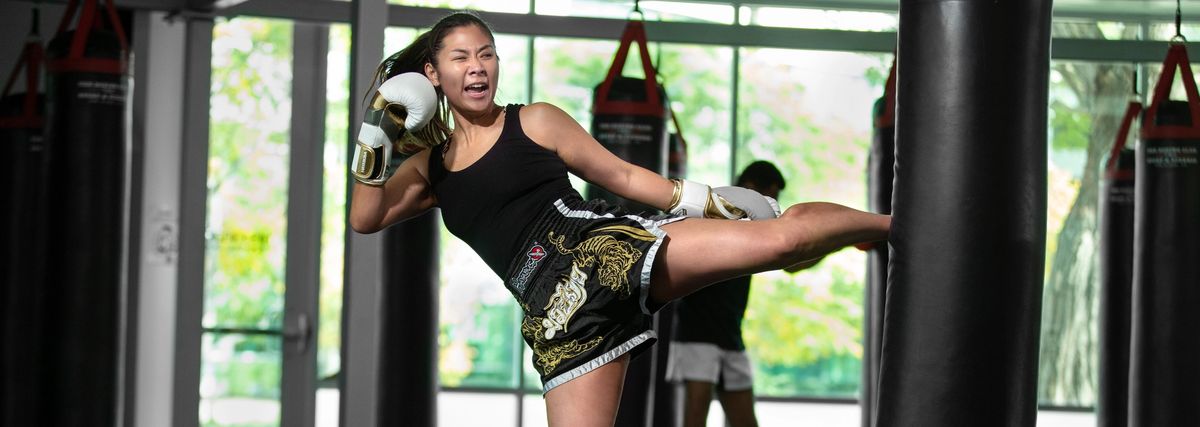
Muay Thai, the Art of Eight Limbs, is a martial art deeply rooted in Thai culture. Mastering its unique techniques, traditions, and terminology enhances your understanding and appreciation of the sport. This glossary is your essential guide to Muay Thai terms, whether you're a seasoned Nak Muay or a newcomer.
Fundamental Muay Thai Terms
- Arjan: A master or teacher of Muay Thai, often with decades of experience, responsible for training and passing down the art.
- Boran: Refers to the traditional style of Muay Thai, Muay Boran, practiced before modern rules were established.
- Clinch: A key aspect of Muay Thai, where fighters engage in close-range grappling to control their opponent and set up knee strikes.
- Kru: A respected instructor or trainer in Muay Thai, often addressed with reverence by students.
- Mae Mai: The fundamental techniques and forms of Muay Thai, considered the backbone of the art.
- Mongkol: A ceremonial headband worn by fighters during the Wai Kru ceremony to honor their trainers, family, and tradition.
- Nak Muay: A Muay Thai practitioner or fighter, the term is used to describe anyone who trains or competes in the sport.
- Ram Muay: A traditional dance performed by fighters before a match, often accompanied by ceremonial music, to pay respect to their teacher and gym.
- Roundhouse Kick: One of the most iconic techniques in Muay Thai, delivered with the shin, targeting the opponent’s body, legs, or head.
- Sawadee Ka/Krup: A common Thai greeting, with “Ka” used by females and “Krup” by males, often heard in Muay Thai gyms.
- Shin Guards: Protective gear worn during training to prevent injury from kicks and strikes to the legs.
- Teep: A push kick, often used to maintain distance, disrupt an opponent’s rhythm, or as an offensive move.
- Wai Kru: A ritualistic dance performed before a fight to show respect to one’s teacher, gym, and ancestors, and to prepare mentally for the bout.
- Yod Muay: A title given to elite or top-level Muay Thai fighters, often those who have achieved significant success in the sport.
Techniques & Strikes
- Elbow Strike (Sok): A devastating strike using the elbow, often aimed at the head or face, with variations like the horizontal, downward, and spinning elbow.
- Flying Knee (Kao Loy): A high-risk, high-reward technique where a fighter launches a knee strike while airborne, targeting the head or chest.
- Low Kick (Te Kao): A powerful kick aimed at the opponent’s thigh, designed to weaken their legs and mobility.
- Spinning Backfist (Man Kong Kwan): A surprising and powerful technique involving a spinning motion and a strike with the back of the fist.
- Muay Mat: A fighter who specializes in powerful punches and aggressive, forward-moving strategies.
- Muay Khao: A fighter known for their proficiency in knee strikes, often dominating in the clinch.
- Muay Femur: A technical and strategic fighter, known for their intelligence, timing, and skillful use of all weapons.
- Muay Sok: A fighter who excels at using elbows, often inflicting significant damage in close quarters.
- Knee Strike (Kao): A signature Muay Thai strike using the knee, with variations including straight, flying, and jumping knee strikes.
- Head Kick (Te Khao): A high kick aimed at the opponent’s head, often delivered with great speed and precision.
- Axe Kick (Te Mat): A kick that swings down like an axe, targeting the head or collarbone, often used as a surprise attack.
- Leg Kick (Te Tad): A horizontal kick aimed at the opponent’s legs, designed to disrupt their balance and inflict pain.
- Switch Kick (Te Chiang): A deceptive technique where the fighter switches stance before delivering a powerful kick with the rear leg.
- Spinning Elbow (Sok Klap): A dynamic technique where the fighter spins and delivers an elbow strike, often catching opponents off-guard.
- Teep to the Face (Teep Na): A push kick aimed at the opponent’s face, used to create distance or knock them off balance.
Training & Equipment
- Banana Bag: A long, heavy punching bag used in Muay Thai to practice kicks, knees, and punches, designed to withstand powerful strikes.
- Focus Mitts: Padded targets held by a trainer, used for practicing punches, kicks, and combinations.
- Heavy Bag: A sturdy, weighted bag used for developing power and endurance in punches and kicks.
- Pad Work: Training drills involving strikes to focus mitts or Thai pads, helping to improve technique, speed, and accuracy.
- Skipping Rope: A basic yet essential tool for building cardio, agility, and footwork, widely used in Muay Thai training.
- Thai Pads: Thick, curved pads used by trainers to absorb kicks, knees, and punches during practice.
- Muay Thai Shorts: Distinctive, brightly colored shorts worn by fighters, designed for flexibility and comfort during movement.
- Mouthguard: Essential protective gear worn by fighters to safeguard their teeth and gums during training and competition.
- Hand Wraps: Cloth wraps worn under gloves to protect the hands and wrists from injury during striking.
- Ankle Supports: Elastic bandages worn around the ankles to provide stability and prevent sprains during training and fighting.
- Sandee Gloves: A popular brand of Muay Thai gloves, known for their durability and comfort, used in both training and competition.
Slang & Expressions
- Chok Dee!: A common phrase meaning “Good luck!” often heard between fighters before a match.
- Fight IQ: A term describing a fighter’s ability to read the fight, adapt strategies, and make smart decisions in the ring.
- Gas Tank: Refers to a fighter’s stamina and endurance, often mentioned in the context of how long they can maintain high-intensity fighting.
- Kru Yai: An honorary title given to a highly respected senior instructor in Muay Thai.
- Muay: Simply means boxing or combat in Thai, often used in combination with other words to describe fighting styles.
- Sak Yant: Traditional Thai tattoos, often worn by fighters as a form of spiritual protection and blessing.
- Sok!: A command from trainers meaning “Elbow!” directing the fighter to use elbow strikes.
- Spirit: Refers to the mental toughness and heart of a fighter, often praised in Muay Thai culture.
- Yam Kha: A technique involving a fake or feint to confuse the opponent before delivering a strike.
- Wai!: A traditional Thai greeting involving a slight bow and the placing of hands together, often used as a sign of respect in Muay Thai.
Muay Thai Culture & Traditions
- Kard Chuek: An ancient form of Muay Thai where fighters wrapped their hands in rope instead of gloves, emphasizing a more brutal and raw form of combat.
- Khruang Ruang: Traditional armbands worn by fighters during the Ram Muay, believed to bring good luck and protection.
- Muay Thai Music (Sarama): Traditional music played during Muay Thai matches and the Wai Kru, setting the rhythm for the fight and the rituals.
- Stadium: The venue where Muay Thai matches take place, with famous stadiums like Lumpinee and Rajadamnern being the most prestigious in Thailand.
- Chok Muay!: A term meaning “Fight!” or “Box!” used to encourage fighters in the ring.
- Khruang Ruang Yant: Sacred symbols or mantras inscribed on cloth or worn as amulets by fighters for spiritual protection.
- Lumpinee Champion: A prestigious title given to fighters who win at the Lumpinee Stadium, one of the most revered Muay Thai venues in Thailand.
- Pahuyuth: The broader term for Thai martial arts, encompassing Muay Thai and other traditional fighting styles.
- Rajadamnern Champion: A title awarded to fighters who win at Rajadamnern Stadium, another top-tier Muay Thai venue in Thailand.
- Sak: The practice of marking points or tallying strikes landed during a fight, often used by trainers to assess performance.
- Seua: Means tiger in Thai, often used as a nickname for aggressive and powerful fighters.
- Wai Khru Ceremony: A ritual where fighters pay homage to their teachers, performed before training sessions and fights.
- Yant: Sacred geometric designs used in tattoos and amulets, believed to offer protection and blessings to the wearer.
Muay Thai Weight Classes
- Mini Flyweight: Up to 105 lbs (47.6 kg)
- Junior Flyweight: Up to 108 lbs (49 kg)
- Flyweight: Up to 112 lbs (50.8 kg)
- Super Flyweight: Up to 115 lbs (52.2 kg)
- Bantamweight: Up to 118 lbs (53.5 kg)
- Super Bantamweight: Up to 122 lbs (55.3 kg)
- Featherweight: Up to 126 lbs (57.2 kg)
- Super Featherweight: Up to 130 lbs (59 kg)
- Lightweight: Up to 135 lbs (61.2 kg)
- Super Lightweight: Up to 140 lbs (63.5 kg)
- Welterweight: Up to 147 lbs (66.7 kg)
- Super Welterweight: Up to 154 lbs (69.9 kg)
- Middleweight: Up to 160 lbs (72.6 kg)
- Super Middleweight: Up to 168 lbs (76.2 kg)
- Light Heavyweight: Up to 175 lbs (79.4 kg)
- Cruiserweight: Up to 190 lbs (86.2 kg)
- Heavyweight: Over 190 lbs (86.2 kg)
Muay Thai Championship Belts & Organizations
- Lumpinee Stadium Championship: One of the most prestigious titles in Muay Thai, often considered the pinnacle of achievement for fighters.
- Rajadamnern Stadium Championship: Another top-tier championship, with winners earning immense respect and recognition in the Muay Thai community.
- WBC Muay Thai: The Muay Thai branch of the World Boxing Council, sanctioning world title fights and ranking fighters globally.
- WMC (World Muay Thai Council): One of the oldest and most respected organizations in Muay Thai, promoting the sport worldwide and organizing top-level competitions.
- IFMA (International Federation of Muay Thai Associations): The governing body for amateur Muay Thai, recognized by the International Olympic Committee (IOC), organizing world championship events.
- IMF (International Muay Thai Federation): A global organization that sanctions professional and amateur Muay Thai events, contributing to the sport’s international growth.
- WPMF (World Professional Muay Thai Federation): An organization that sanctions professional Muay Thai fights, with champions recognized on an international level.
- One Championship Muay Thai: A major mixed martial arts and Muay Thai promotion featuring high-level stand-up competition.
- MAX Muay Thai: A popular promotion in Thailand, known for its action-packed events and showcasing both Thai and international fighters.