- Home
- Community Blog
- Muay Thai Gear: What to Buy First (and What Can Wait)
Muay Thai Gear: What to Buy First (and What Can Wait)
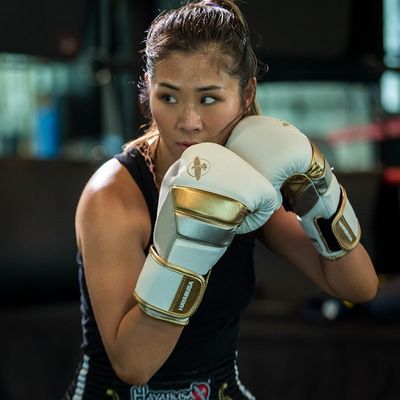
Buy your Muay Thai gear in this order: hand wraps, gloves, shin guards, Muay Thai shorts and a mouthguard. Those five pieces cover everything you need for your first months of pad work, bag work and light sparring. Thai pads, headgear and a heavy bag can wait until you're training regularly or your gym asks for them.
Walking into your first Muay Thai class can feel like you need a full fight camp's worth of equipment. You don't. Most gyms lend out pads, bags and sometimes even gloves for your first sessions. The gear worth owning is the gear that protects your body and goes on it every time you train, because that's what gets worn out, sweated in and fitted to you.
This guide walks you through the five essentials in the order you'll need them, what to look for in each piece, how to choose the right Muay Thai shorts, what to wear to training, and which gear you can safely put off. We've also included our Hayabusa pick for each item so you can build your kit in one order.
The Muay Thai Gear Priority List
| Priority | Gear | When you need it | Hayabusa pick |
|---|---|---|---|
| 1 | Hand wraps | First class | Hayabusa Perfect Stretch Hand Wraps |
| 2 | Gloves | First class | Hayabusa T3 boxing gloves |
| 3 | Shin guards | First kick drills | Hayabusa T3 Striking Shin Guards |
| 4 | Muay Thai shorts | First few weeks | Hayabusa Core Muay Thai Shorts |
| 5 | Mouthguard | Before any partner work | Hayabusa Combat Mouth Guard |
When You'll Need Each Piece
You don't need to buy everything on day one. Here's how most beginners build their kit over the first couple of months:
- Week 1: Hand wraps and gloves. Your first classes focus on stance, basic punches and pad work. Many gyms have loaner gloves, but they're shared and rarely fresh, so owning your own is worth it from the start.
- Weeks 2–4: Shin guards and Muay Thai shorts. Once kicks and partner drills begin, shin guards protect you and your partner, and proper shorts make kicking far easier.
- Month 2 onward: Mouthguard, then sparring gear. As soon as you do any partner work with contact, even light technical sparring, you need a mouthguard. Groin protection and possibly headgear come next, depending on your gym.
1. Hand Wraps
Hand wraps are the first thing you put on and the most important piece of protection you own. They hold the small bones of your hand together, keep your knuckles aligned, and support your wrist every time you punch. A glove without wraps leaves your hands loose inside, which is how sprained wrists and knuckle injuries happen.
What to look for:
- Length: 180 inches is the standard for adults. It's long enough to wrap the wrist, knuckles and thumb with full coverage.
- Material: Stretchy, semi-elastic wraps mold to your hand and are easier to wrap tightly. Non-stretch cotton wraps are firmer but harder for beginners to get right.
- Closure: A wide hook-and-loop strap at the end holds the wrap in place through a full session.
Tip: Own at least two pairs so you always have a clean, dry set while the other pair is in the wash.
Our pick: Hayabusa Perfect Stretch Hand Wraps
2. Gloves
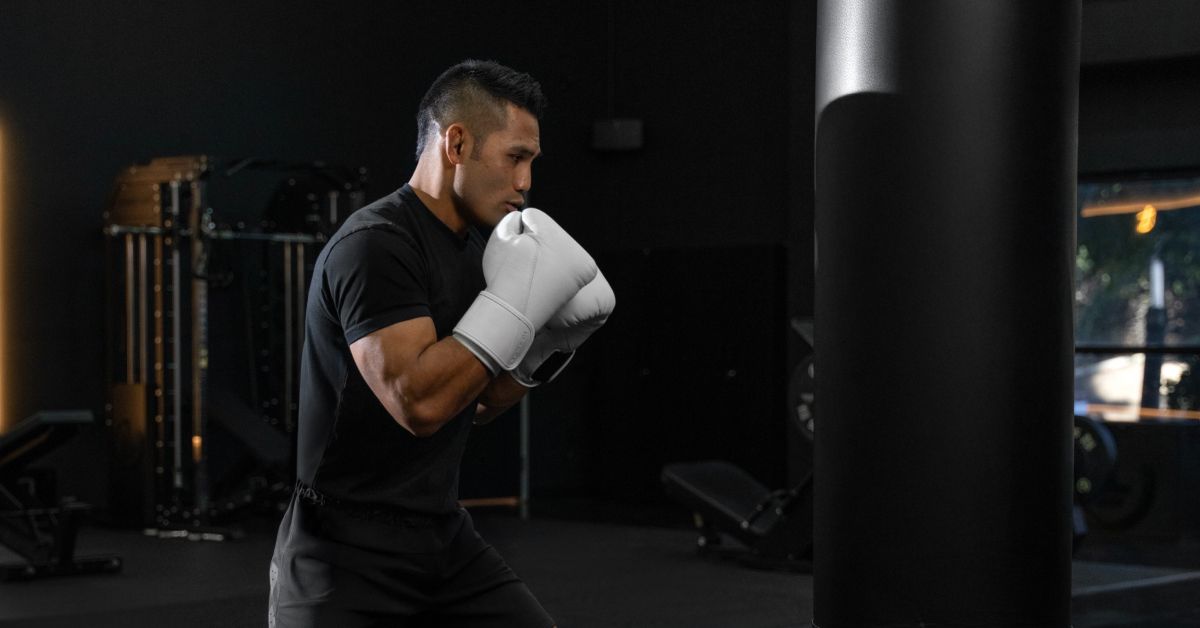
Your gloves protect your hands and your training partners. In Muay Thai, they also need to let you catch kicks, frame in the clinch and parry, so fit and flexibility matter as much as padding.
What size gloves do you need? Glove weight is about padding, not your hand size. Heavier gloves have more padding, which protects your partner in sparring. Use this as a starting point:
| Your body weight | Bag and pad work | Sparring |
|---|---|---|
| Under 120 lb | 10–12 oz | 12–14 oz |
| 120–150 lb | 12–14 oz | 14–16 oz |
| 150–180 lb | 14 oz | 16 oz |
| Over 180 lb | 14–16 oz | 16 oz or heavier |
If you can only buy one pair, choose 16 oz. It's the most common requirement for sparring and still works well on pads.
What to look for: a closure that locks your wrist firmly in place, enough padding over the knuckles for hard bag work, and a palm that lets you close your hand comfortably around a kick.
Our pick: Hayabusa T3 boxing gloves. The T3 handles bag work, pads and sparring, so one pair covers everything while you're starting out.
3. Shin Guards
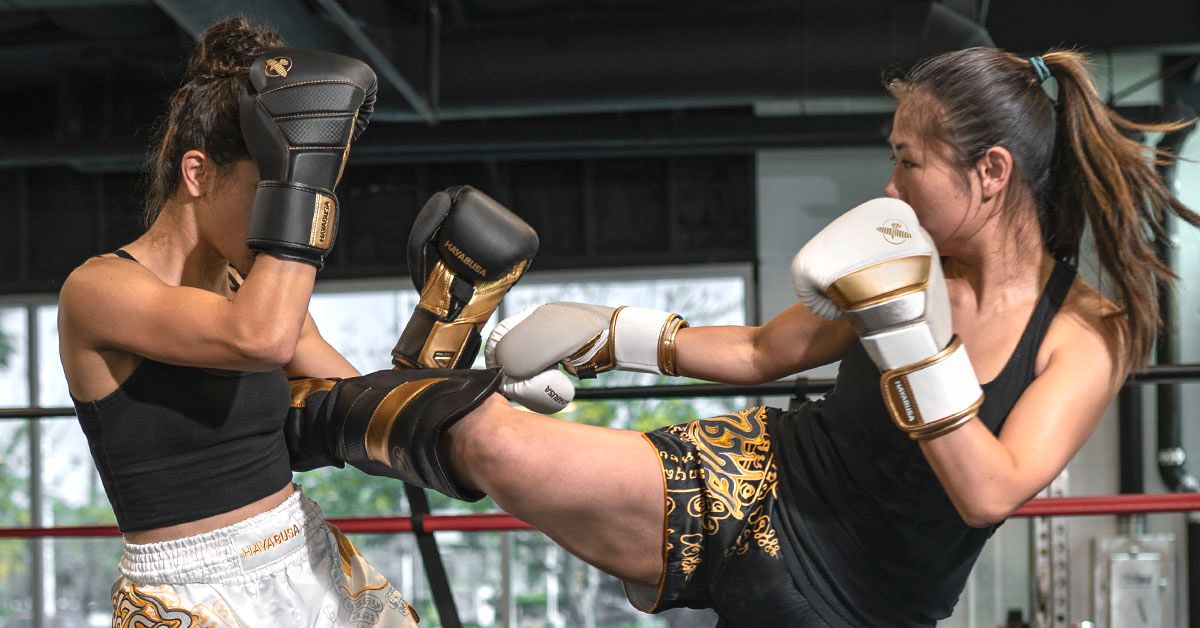
Kicks are what make Muay Thai different from boxing, and you'll start throwing and checking them within your first few weeks. Bare shin against bare shin is painful, and it's one of the main reasons beginners get discouraged. Shin guards let you drill kicks and checks at a real pace without bruising yourself or your partner.
What to look for:
- Coverage: The guard should run from just below the knee down over the instep (the top of your foot), since that's where kicks land when they're checked.
- Padding: Thick enough for sparring, but not so bulky that it slows your kicks or throws off your balance.
- Straps: Secure straps that keep the guard from twisting or sliding when you kick, check and move in the clinch.
- Sizing: Shin guards are usually sized by height or shin length. Check the size chart before you buy.
Our pick: Hayabusa T3 Striking Shin Guards, which cover the shin and instep and stay put through kicks and clinch work.
4. Muay Thai Shorts
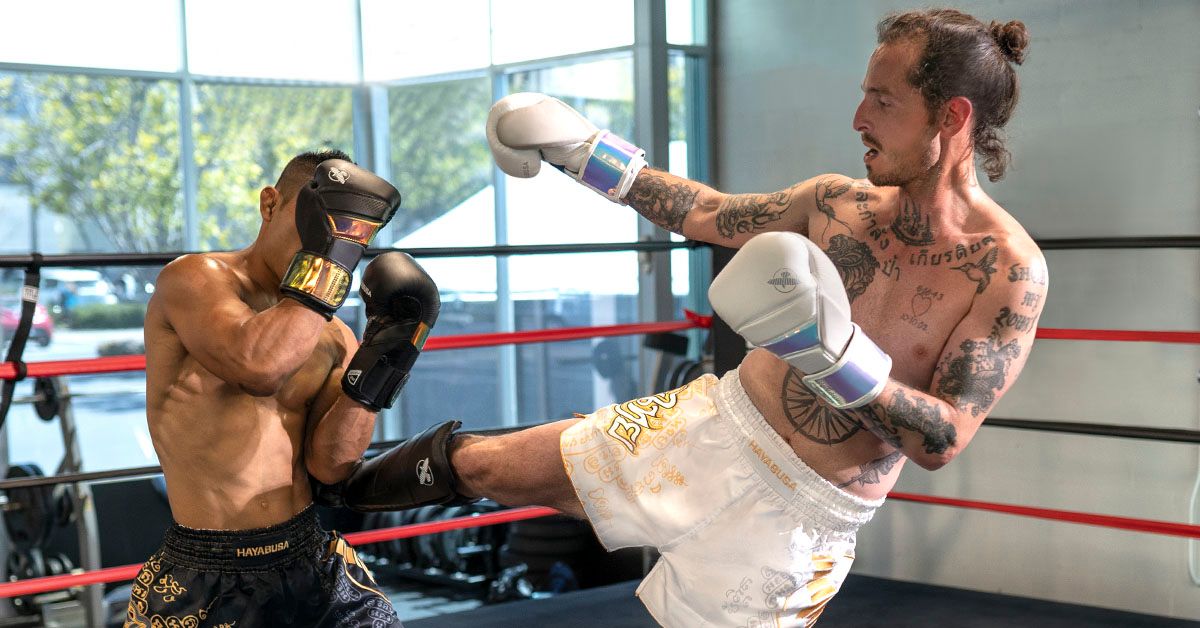
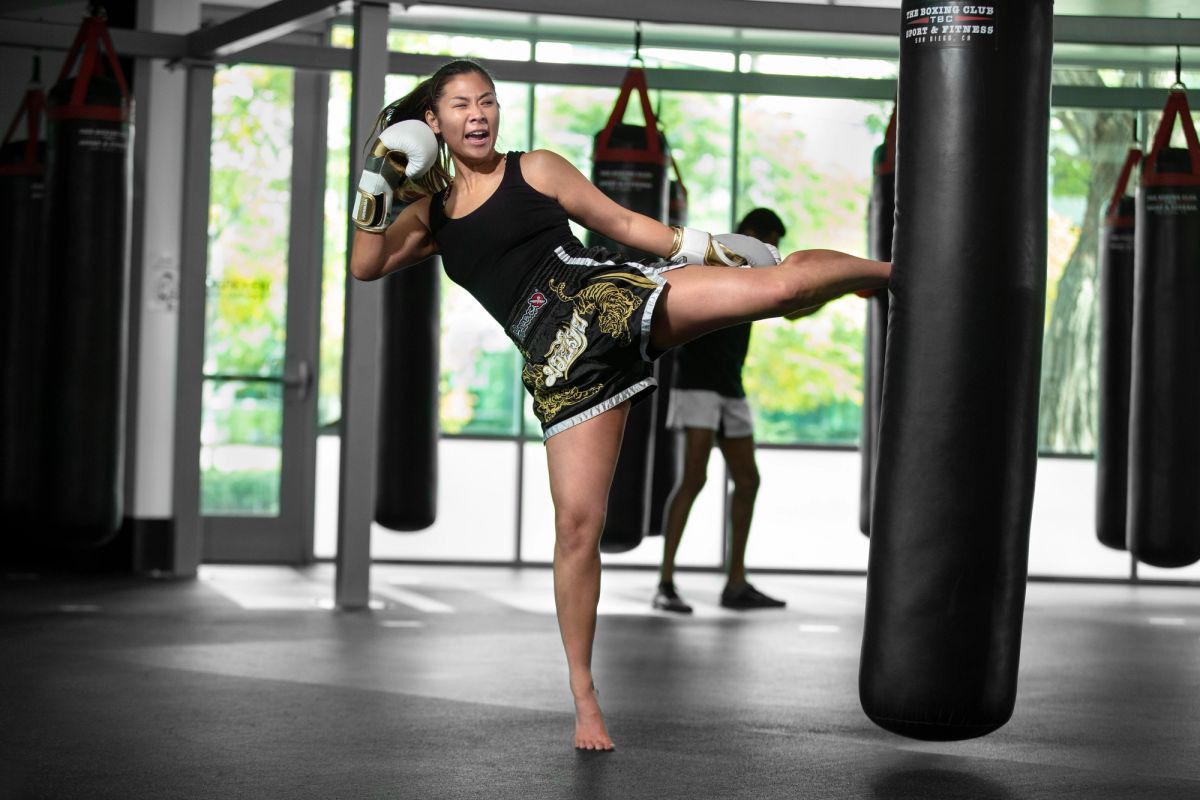
Muay Thai shorts aren't just tradition. Regular gym shorts restrict your hips when you throw a high kick or drive a knee. Muay Thai shorts are cut short and wide so nothing pulls. That freedom of movement is why they're on the essentials list, not the nice-to-have list.
Our pick: Hayabusa Core Muay Thai Shorts
5. Mouthguard
As soon as you do any partner work with contact, even light technical sparring or clinch drills, you need a mouthguard. It protects your teeth, cushions your jaw and helps prevent cuts inside your mouth.
What to look for: A boil-and-bite mouthguard is the best place to start. You soften it in hot water and bite into it to mold it to your teeth, which gives a snug fit for a reasonable price. It should stay in place without you clenching, and you should be able to breathe through your mouth.
Our pick: Hayabusa [model] mouthguard
How to Choose Muay Thai Shorts
Muay Thai shorts look simple, but the cut makes a real difference to how you move. Here's what to check before you buy.
- Cut and leg opening. Traditional Muay Thai shorts have a short inseam and very wide legs, often with side slits. That cut lets you throw high kicks and knees without the fabric pulling.
- Length. Traditional shorts sit high on the thigh. If you prefer more coverage, look for a slightly longer, modern cut that still has wide legs.
- Fabric. Satin is the classic choice: light, smooth and quick-drying. Poly blends are more durable and easier to wash.
- Waistband. A wide, elastic waistband with a drawstring stays put through clinch work and doesn't dig in when you bend or kick.
- Fit. Size to your waist, not your usual shorts size. Muay Thai shorts are meant to sit snug at the waist and loose in the legs.
Muay Thai Shorts vs MMA Shorts
| empty | Muay Thai shorts | MMA shorts |
|---|---|---|
| Length | Short, high on the thigh | Longer, usually above the knee |
| Leg opening | Very wide, often with side slits | Fitted, with stretch panels |
| Fabric | Satin or light poly blend | Stretch fabric built for grappling |
| Best for | Striking: kicks, knees, clinch | Striking and grappling |
If you train only Muay Thai, go with Muay Thai shorts. If you also do BJJ or MMA, a pair of MMA shorts may cover both.
What to Wear for Muay Thai Training
Beyond shorts, Muay Thai clothing is about staying cool, moving freely and keeping your training partners comfortable.
- Tops: A lightweight, moisture-wicking training tee or tank. Avoid heavy cotton, which soaks up sweat and gets heavy. Some gyms train shirtless; check your gym's rules.
- Rash guards: Useful if your gym does a lot of clinching. A fitted rash guard reduces friction and keeps sweat off your partners. See Hayabusa rash guards.
- Sports bra (for women): A high-support sports bra that stays in place through kicks, knees and clinch work.
- Footwear: None. Muay Thai is trained barefoot, so bring sandals to wear off the mat and keep your feet clean.
Starter Kit vs Sparring Kit
| Starter kit (first month) | Sparring kit (when you're ready) |
|---|---|
| Hand wraps (2 pairs) | Everything in the starter kit |
| Gloves (14–16 oz) | 16 oz sparring gloves, if your first pair is lighter |
| Shin guards | Groin protection |
| Muay Thai shorts | Headgear, if your gym requires it |
| Mouthguard | A gym bag to keep it all together |
Gear That Can Wait
- Thai pads and kick shields. Most gyms provide them. Buy your own once you train with a regular partner or at home.
- Groin protection. Not needed for pad work, but get it before you start sparring. Many gyms require it.
- Headgear. Only some gyms use it for sparring. Ask your coach first.
- Ankle supports. Helpful if you've rolled an ankle before or train on hard mats, but not essential.
- A heavy bag. Only worth it for home training. See how to choose the right punching bag weight.
How to Look After Your Muay Thai Gear
Sweat is what ruins gear fastest. A few simple habits make everything last longer and smell better.
- Gloves: Open them up and let them air-dry after every session. Never leave them zipped in your bag overnight.
- Hand wraps: Wash them after every use. Put them in a mesh laundry bag so they don't tangle.
- Shin guards: Wipe them down after training and air them out.
- Shorts: Wash in cold water and hang to dry. Satin shorts last longer without the dryer.
- Mouthguard: Rinse it after every session and let it dry in a ventilated case.
Black Friday early access is live: 30% off for loyalty members, Nov 5–11. Get your full Muay Thai setup (gloves, wraps, shin guards and shorts) before the sale opens to everyone on Nov 12.
Muay Thai Gear FAQ
What gear do I need for my first Muay Thai class? Hand wraps, gloves and comfortable clothes. Shin guards, Muay Thai shorts and a mouthguard come next, usually within your first few weeks.
What size gloves should I get for Muay Thai? For most adults, 14 oz works for bag and pad work and 16 oz for sparring. If you can only buy one pair, 16 oz covers both.
Can I use boxing gloves for Muay Thai? Yes. Quality training gloves like the Hayabusa T3 work for both. Muay Thai-specific gloves often have a slightly more flexible palm for catching kicks and clinching.
Do I need shin guards for Muay Thai? Yes, once you start kicking pads with a partner or doing any sparring. They protect both you and your training partner.
Why are Muay Thai shorts so short? The short inseam and wide legs give your hips full range of motion for kicks and knees. Longer shorts pull and restrict high kicks.
What should I wear to Muay Thai training? Muay Thai shorts, a lightweight training top or rash guard, and nothing on your feet. Muay Thai is trained barefoot.
How much Muay Thai gear do I need as a beginner? Just five pieces: hand wraps, gloves, shin guards, Muay Thai shorts and a mouthguard. Everything else can wait until you start sparring or train at home.